News

Between the Atlantic and the Mediterranean: responses to climate and weather conditions throughout History
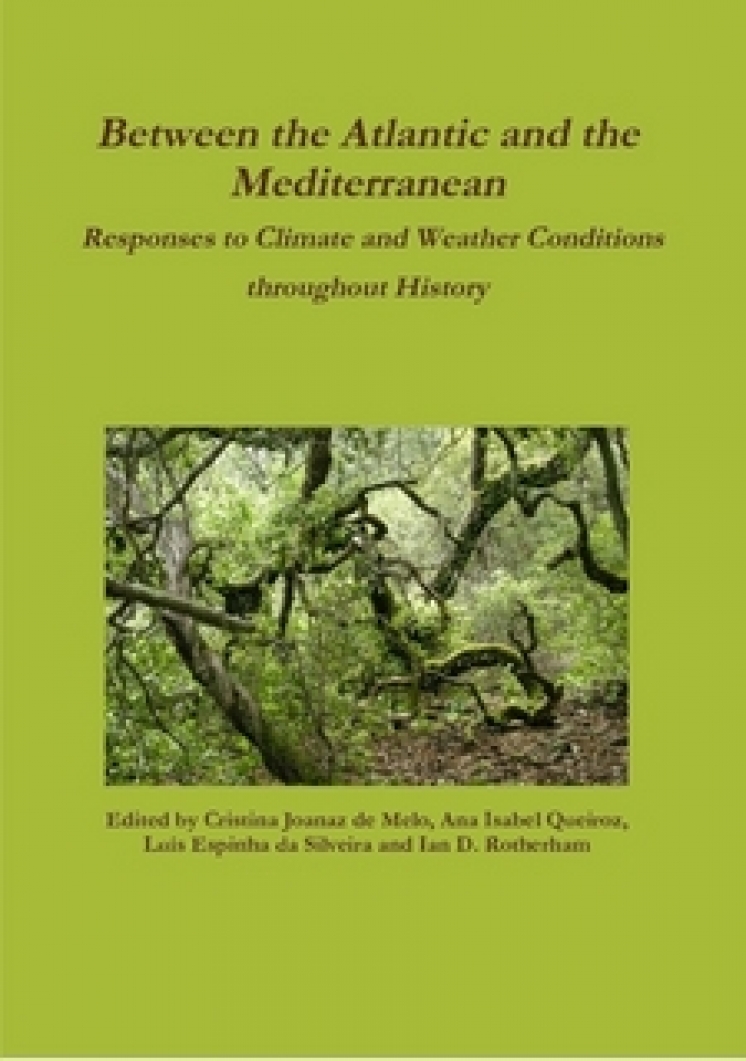
Between the Atlantic and the Mediterranean brings together a set of case studies on living organisms’ adaptation to the evolution of the climate and adjustments to extreme weather conditions. Aiming to go beyond concerns about recent and forthcoming climate change, which have dominated research in environmental studies this book adopts a long-term perspective on adaptations and adjustments to nature. Although an important group of papers deal with the Portuguese territory and the Iberian Peninsula, in which a complex mosaic of Atlantic and Mediterranean climates helped to shape landscapes and history, the book has a broader geographical scope from England to Italy. Contributions look at the distribution and numbers of animal species and, material, social, cultural and religious responses to weather in the short term and to climate in the long term. The common ground is the reaction of living organisms to “natural hazards”. In the long term, these are cyclical, and nowadays predictable. 
Read more...

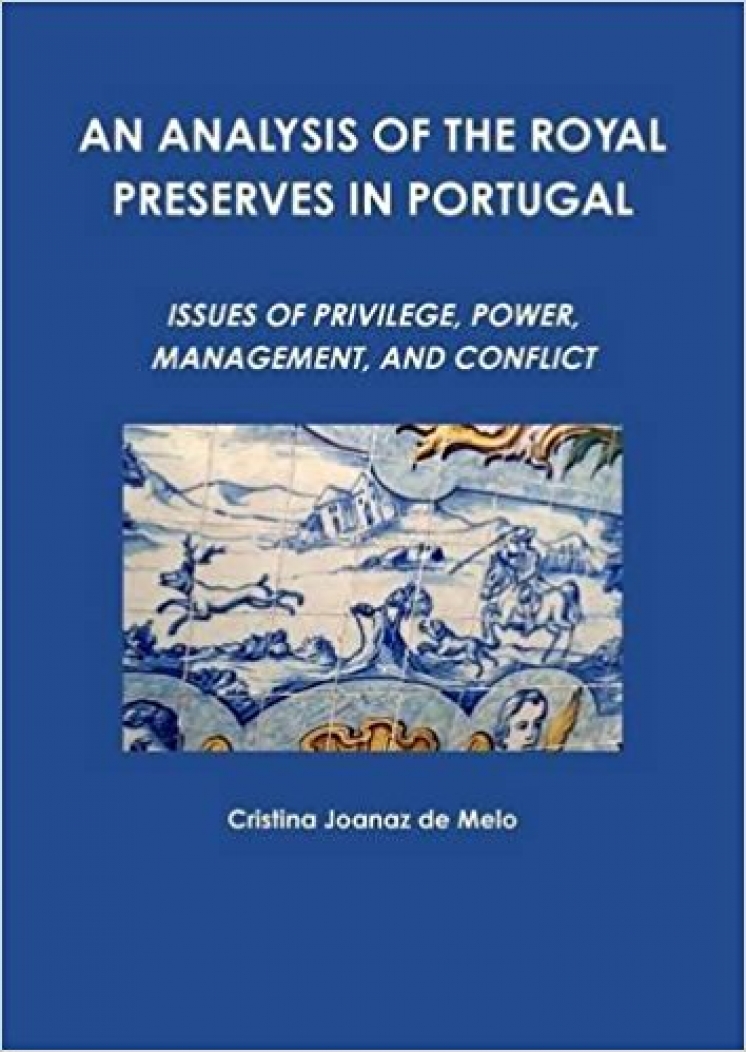
An Analysis of the Royal Preserves in Portugal: Issues of Privilege, Power, Management and Conflict

This book looks at the functioning and symbolic meanings of the royal preserves, parks, and forests in a transitional period in Portuguese political regimes: at the end of the Ancien Regime and in the aftermath of the first liberal revolution in Portugal (1821), from 1777 to 1824.The aim is to understand how life developed in royal preserves before and after the Liberal Revolution in Portugal. The majority of academic work produced before 1998 focused on hunting and royal preserves in England, Spain or France. If the classic Whigs and Hunters, by E. P. Thompson, proclaimed the prerogatives of aristocracy for the British aristocratic mastering of property rights, status and ethos, other contributions of the preserves regime, in the mastering of social order and in the attempt to balance or master powers, can be added, for other regions in Europe. In this case, the focus is on Portugal.

Read more...

Environmental History in the Making

This book is the product of the 2nd World Conference on Environmental History, held in Guimarães, Portugal, in 2014. It gathers works by authors from the five continents, addressing concerns raised by past events so as to provide information to help manage the present and the future. It reveals how our cultural background and examples of past territorial intervention can help to combat political and cultural limitations through the common language of environmental benefits without disguising harmful past human interventions.

Considering that political ideologies such as socialism and capitalism, as well as religion, fail to offer global paradigms for common ground, an environmentally positive discourse instead of an ecological determinism might serve as an umbrella common language to overcome blocking factors, real or invented, and avoid repeating ecological loss.

Therefore, agency, environmental speech and historical research are urgently needed in order to sustain environmental paradigms and overcome political, cultural an economic interests in the public arena.

This book intertwines reflections on our bonds with landscapes, processes of natural and scientific transfer across the globe, the changing of ecosystems, the way in which scientific knowledge has historically both accelerated destruction and allowed a better distribution of vital resources or as it, in today’s world, can offer alternatives that avoid harming those same vital natural resources: water, soil and air. In addition, it shows the relevance of cultural factors both in the taming of nature in favor of human comfort and in the role of the environment matters in the forging of cultural identities, which cannot be detached from technical intervention in the world.

In short, the book firstly studies the past, approaching it as a data set of how the environment has shaped culture, secondly seeks to understand the present, and thirdly assesses future perspectives: what to keep, what to change, and what to dream anew, considering that conventional solutions have not sufficed to protect life on our planet.

Read more...

Agosto - Lançamento do livro "Animais e Sociedade no Brasil dos séculos XVI a XIX"

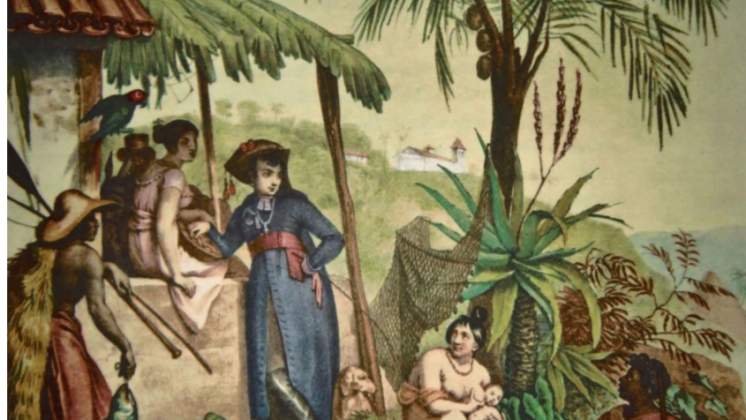
Trata-se do resultado de pesquisa realizada a partir de cerca de 130 obras de autores clássicos e contemporâneos, com o objetivo de resgatar as outras espécies animais do lugar marginal e pouco relevante que lhes destinaram as teorias sociais. Sergio Buarque de Holanda, Berta Ribeiro, José de Alencar, Mario de Andrade, Câmara Cascudo, Gastão Cruls, Gilberto Freire, Guilherme Piso, Gabriel Soares de Souza, Roquette-Pinto, Orlando Valverde, Von Martius, entre tantos outros nomes, forneceram distintos olhares que nos revelam esse capítulo ainda obscuro de nossa história. Fragmentos dessas narrativas nos permitem entender o processo de formação da sociedade brasileira como o resultado de uma combinação de capacidades, competências e interesses onde participaram indígenas, europeus, papagaios, bois, africanos, beija-flores, baleias, formigas, onças, cavalos, cães. O Prefácio foi escrito por Rosangela Gebara, Gerente de Programas da World Animal Protection Brasil, e a Apresentação foi escrita pelo Dr. Milton Thiago de Mello, Vice-Presidente da Academia Brasileira de Medicina Veterinária.
Read more...

About REPORT(H)A

News & Events